

BBC Bitesize
World History Series
We developed and produced a series of 12 short animated films exploring pivotal moments in world history.
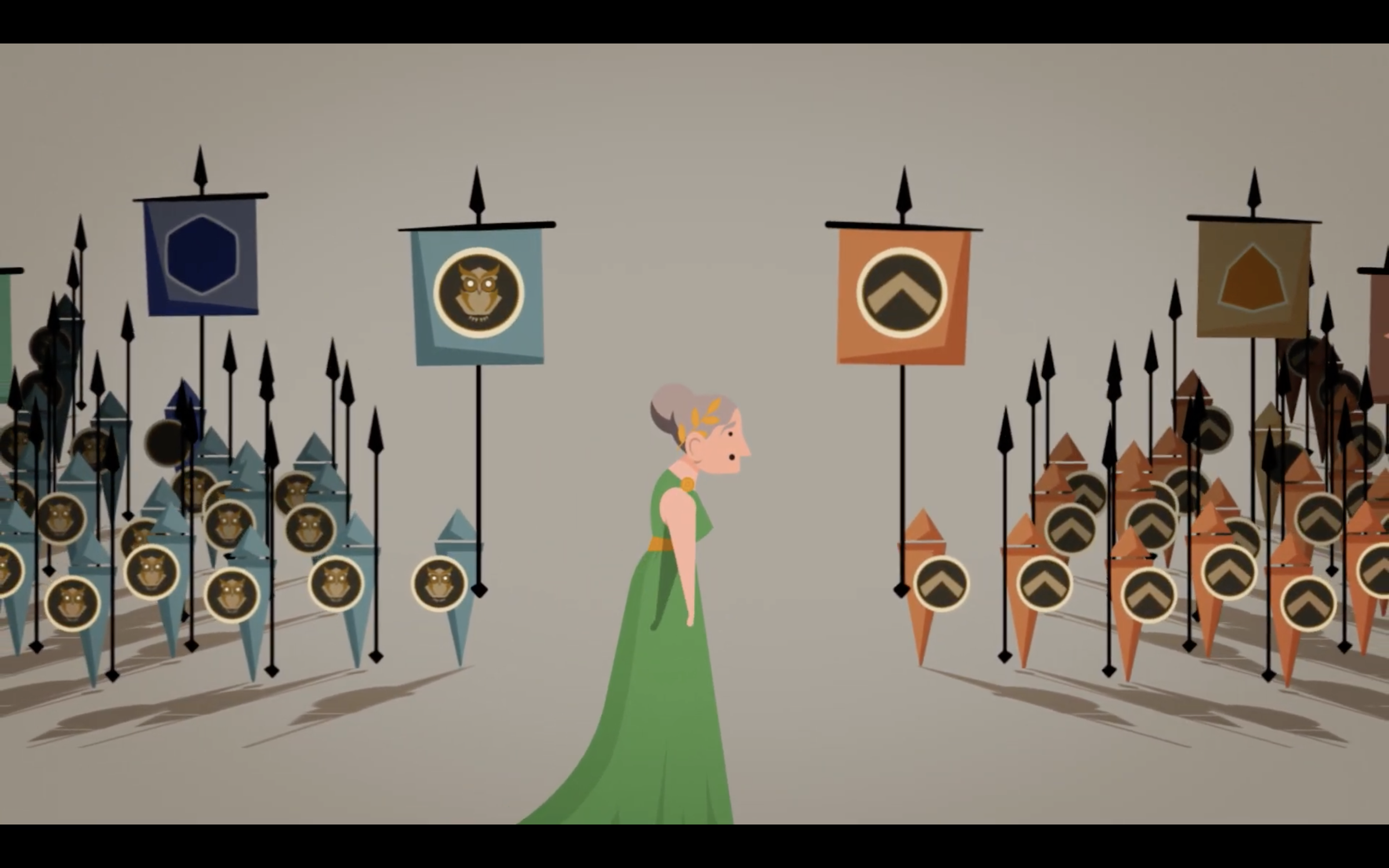
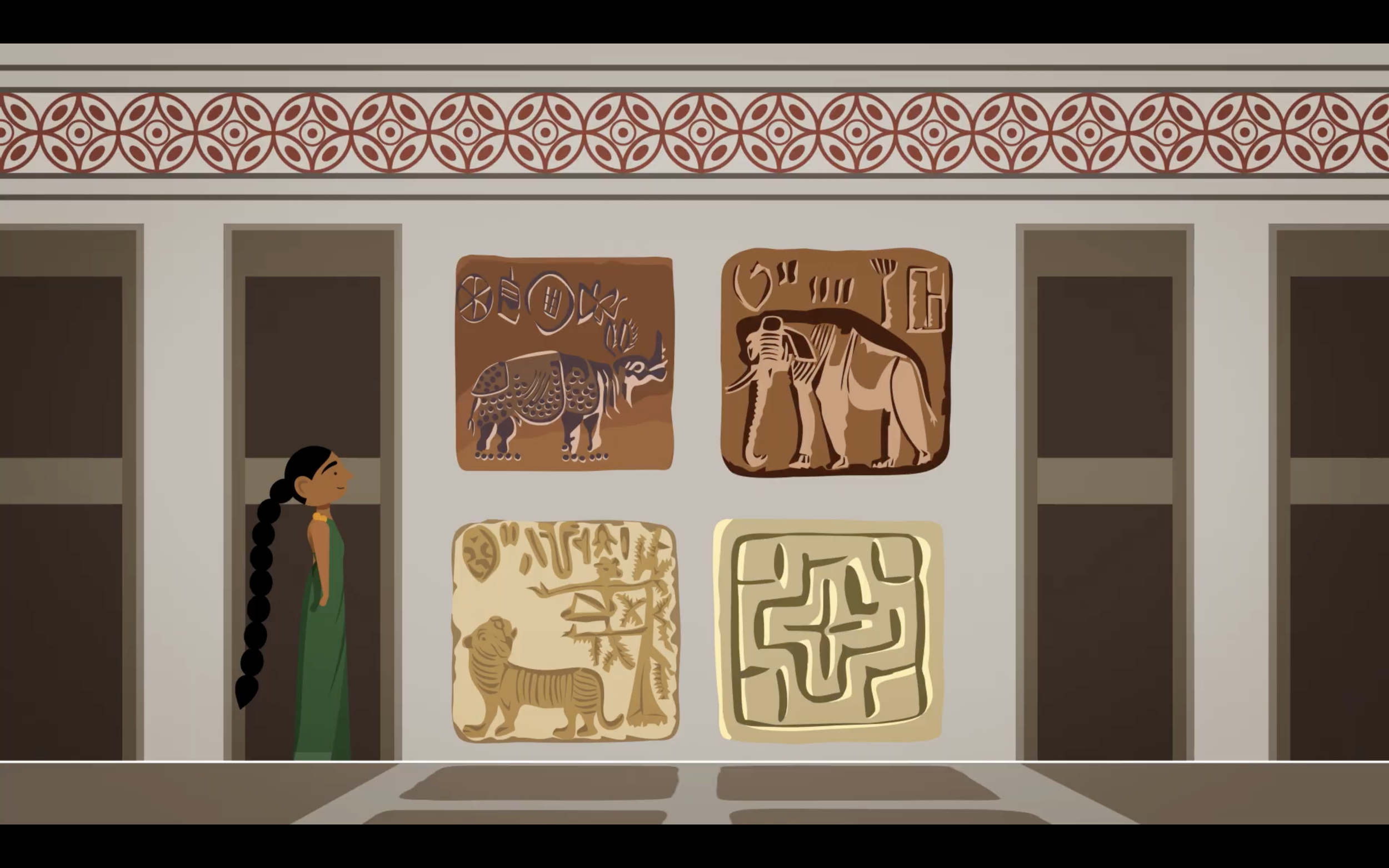
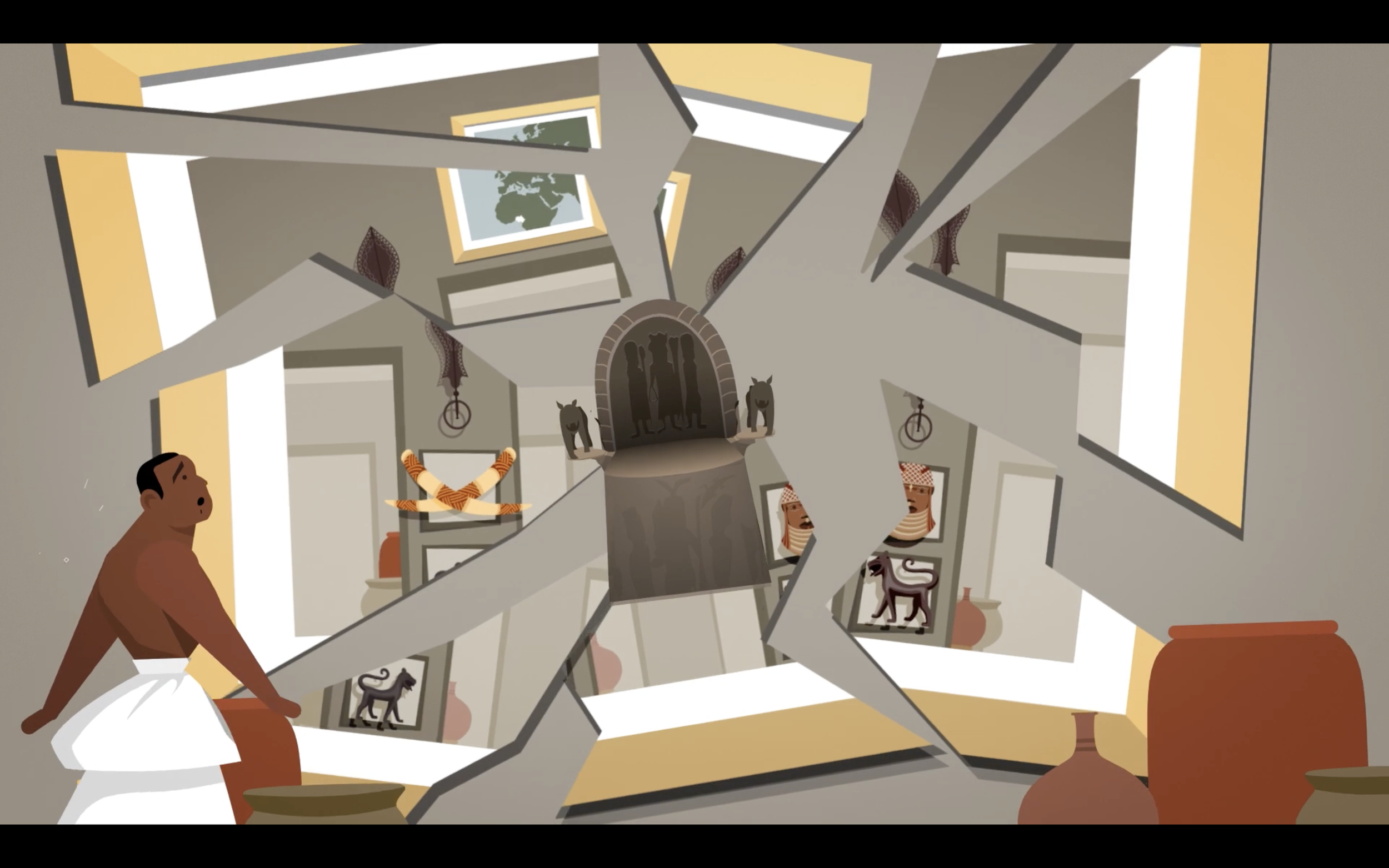
The series helps primary school children get to grips with the growth of the Islamic caliphates, the rise and fall of the Kingdom of Benin, the origins of Ancient Sumer, daily life in the Indus Valley, and how Athens and Sparta differed as Greek city-states. The content is aimed at 7–11 year olds studying Key Stage 2 History.

About this experience
Finding familiarity in format
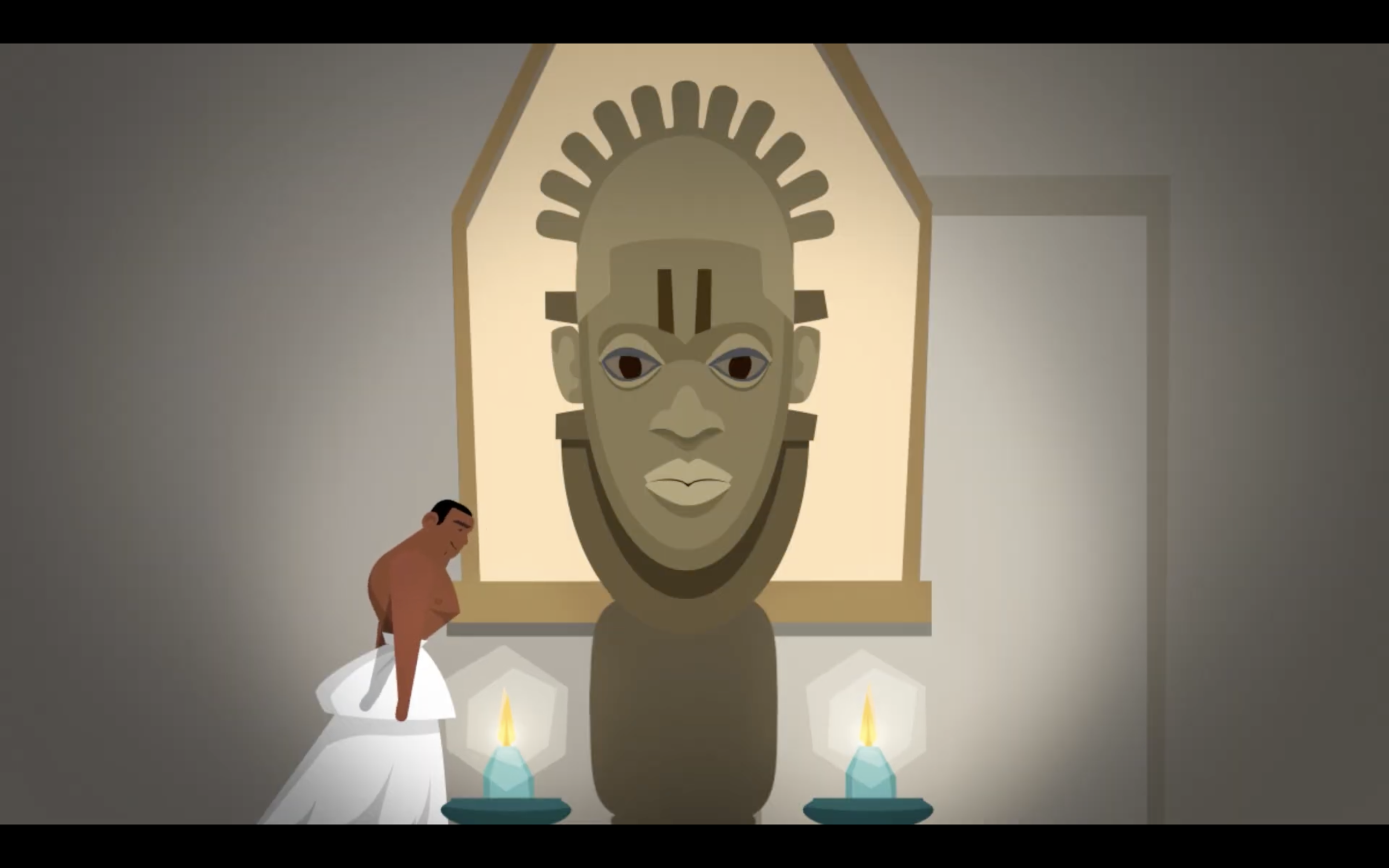
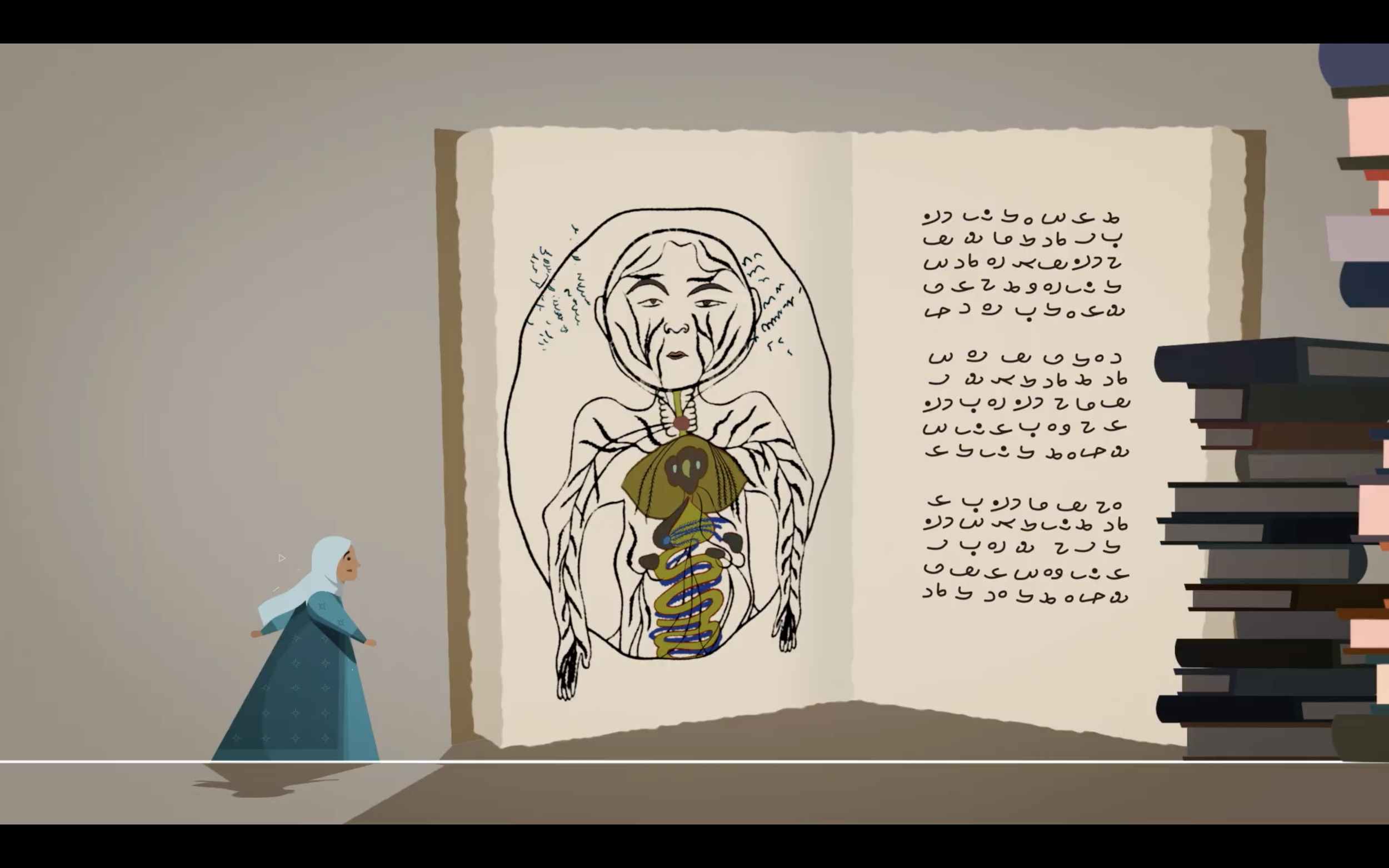
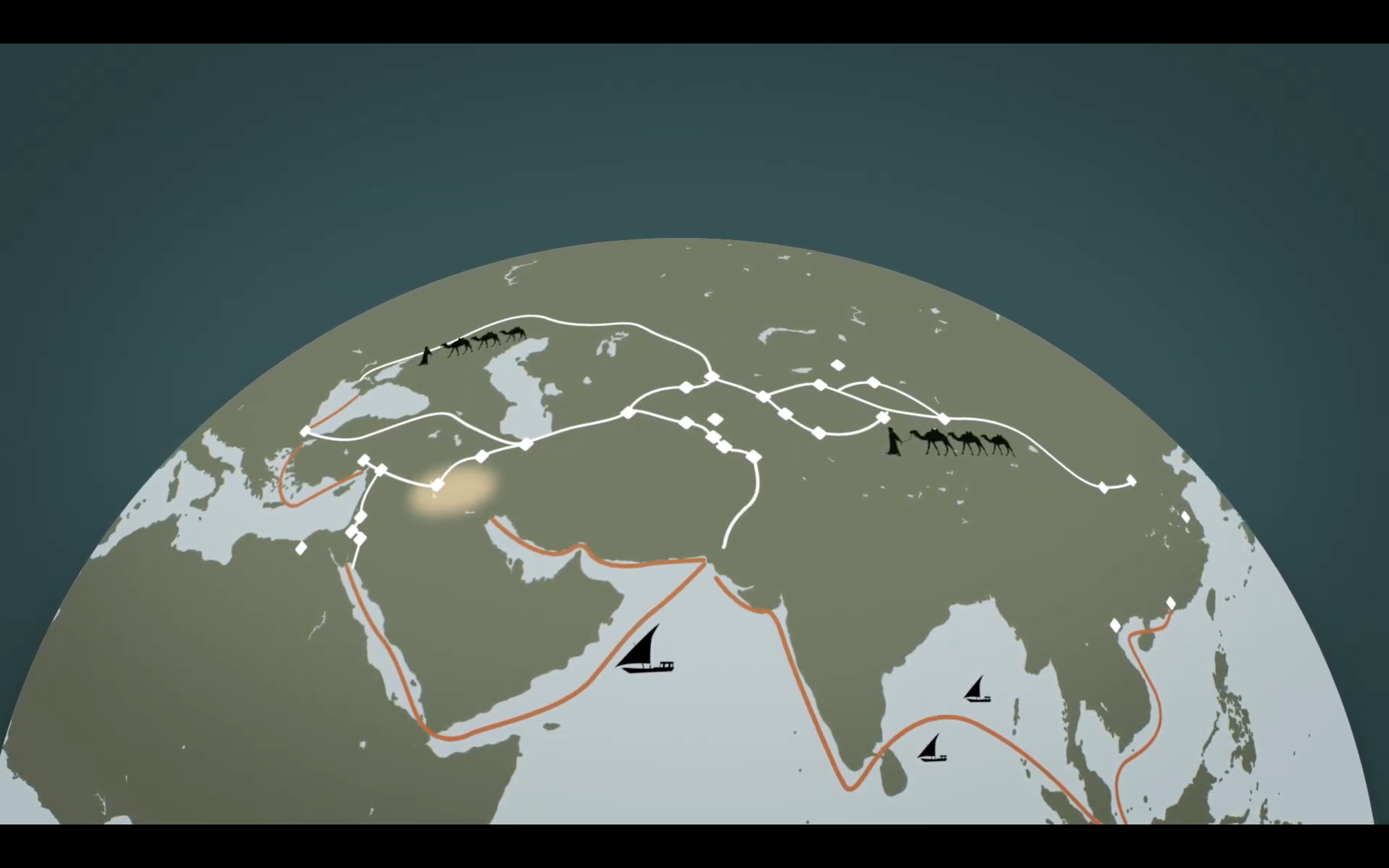
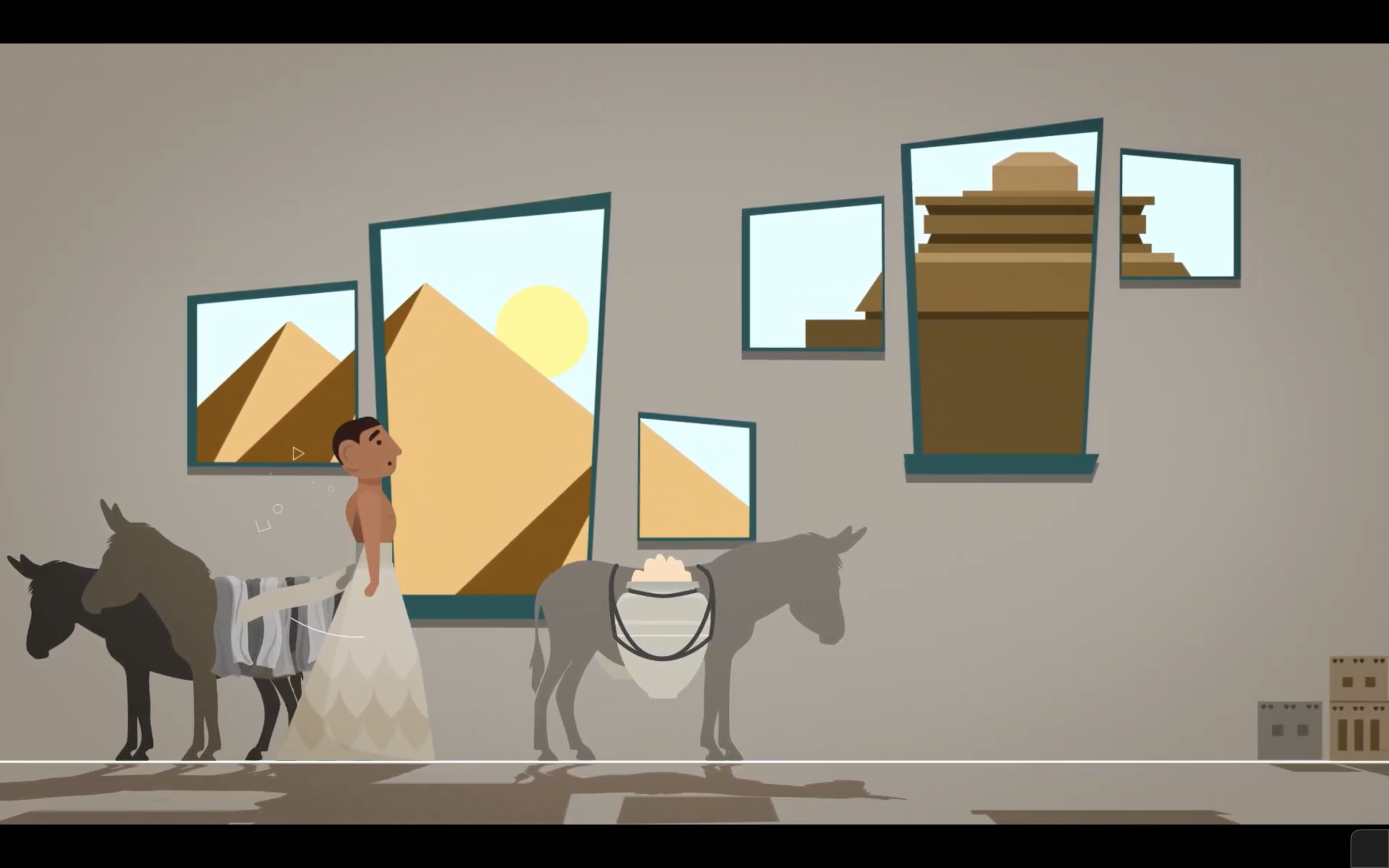
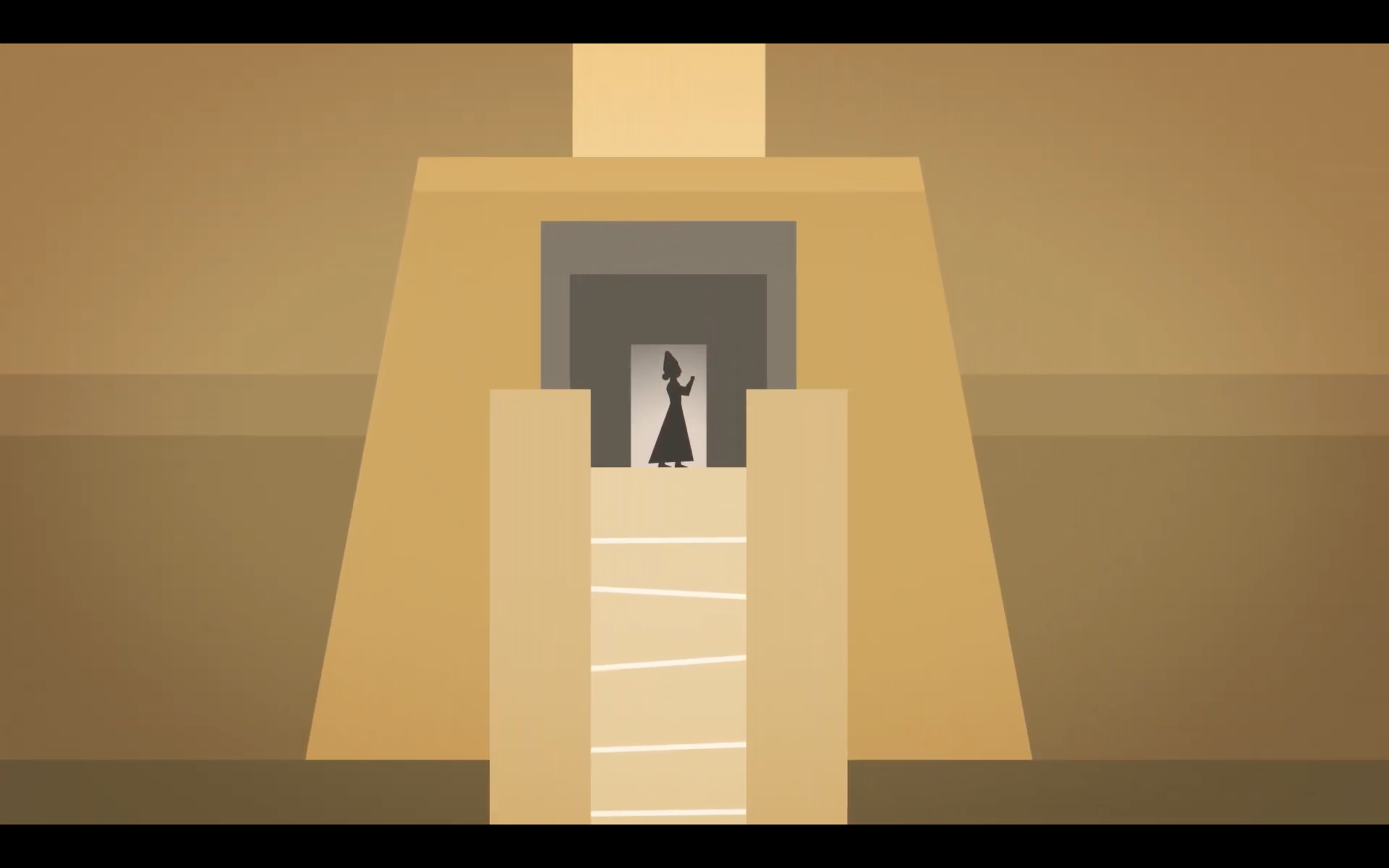
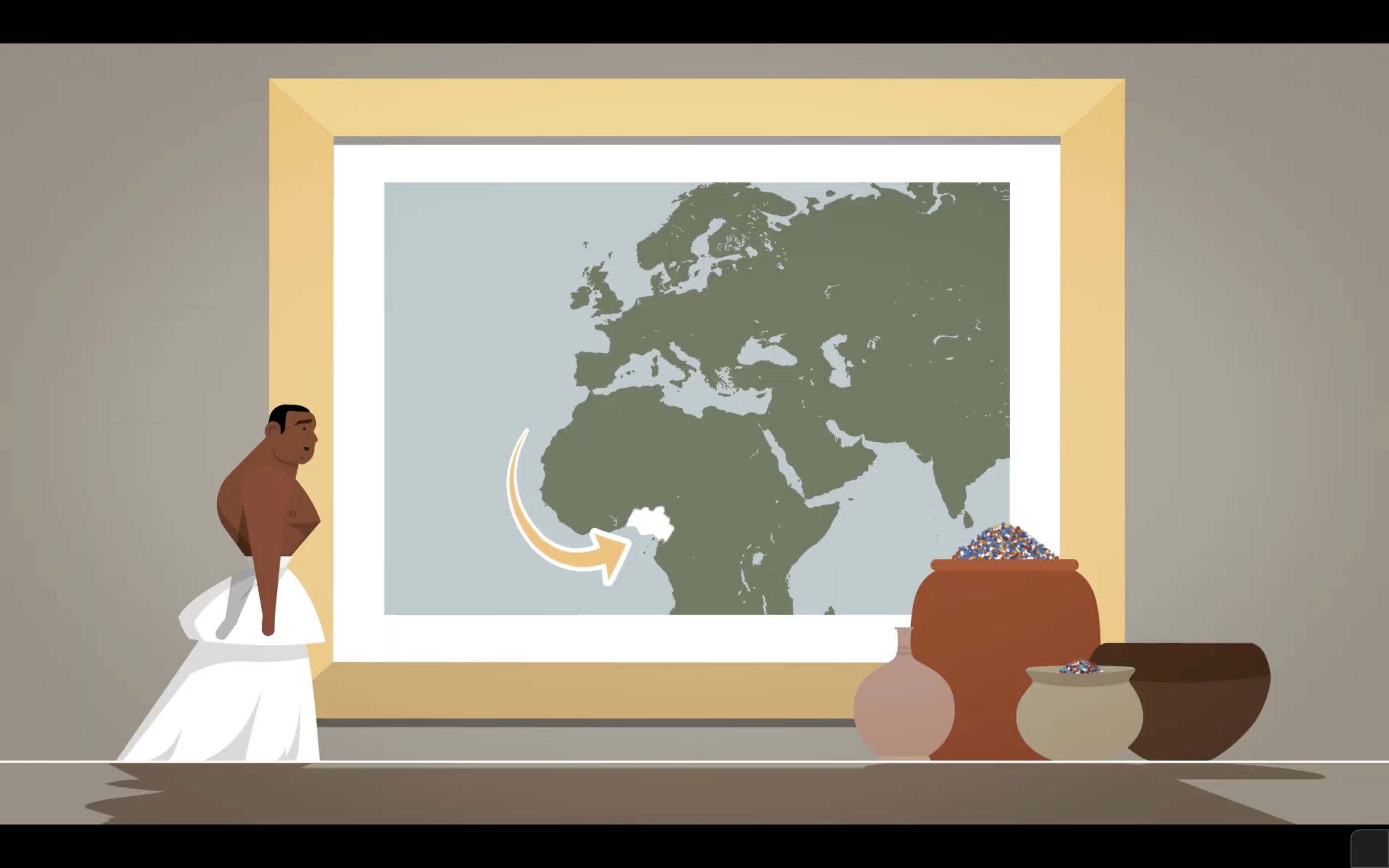
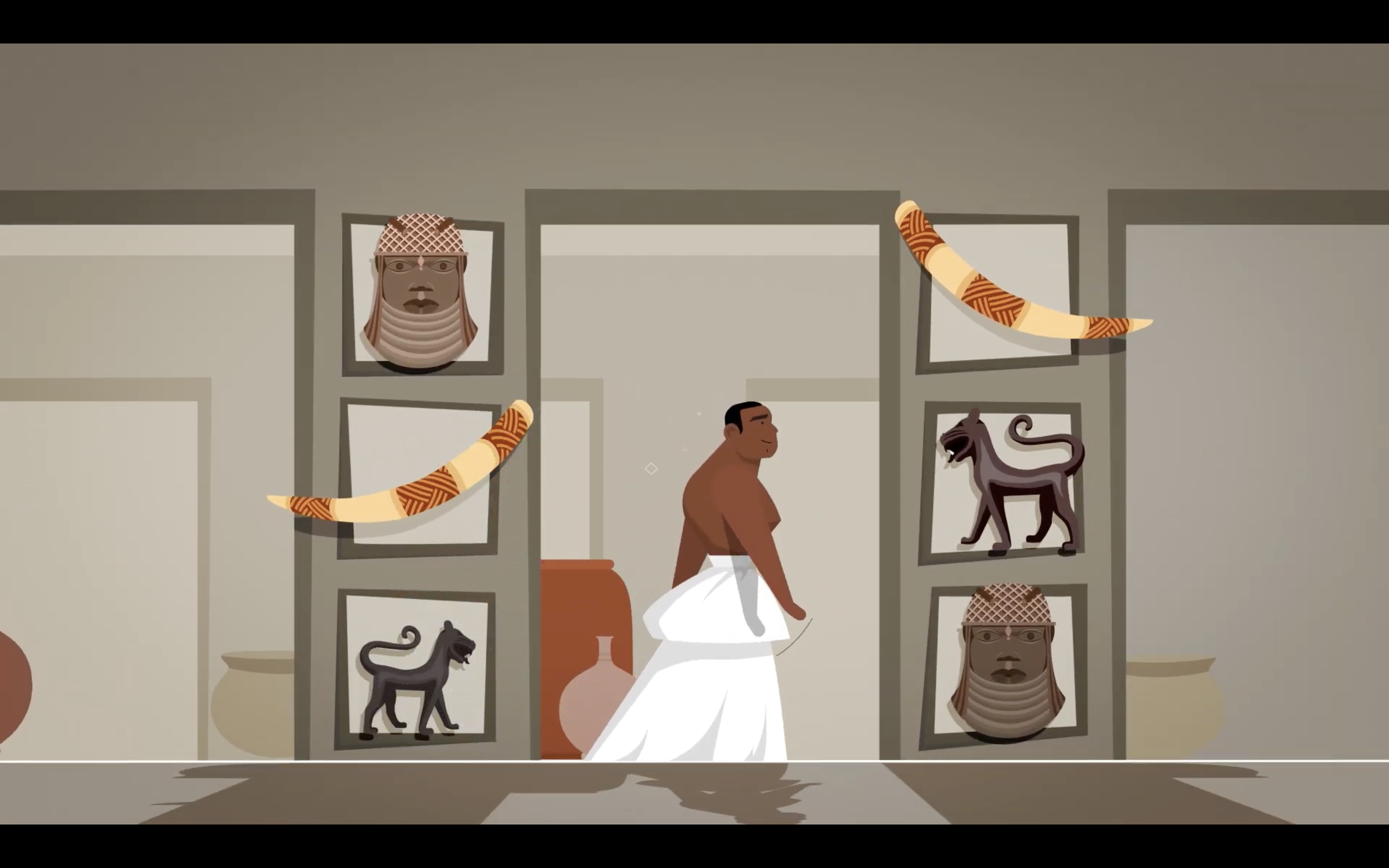
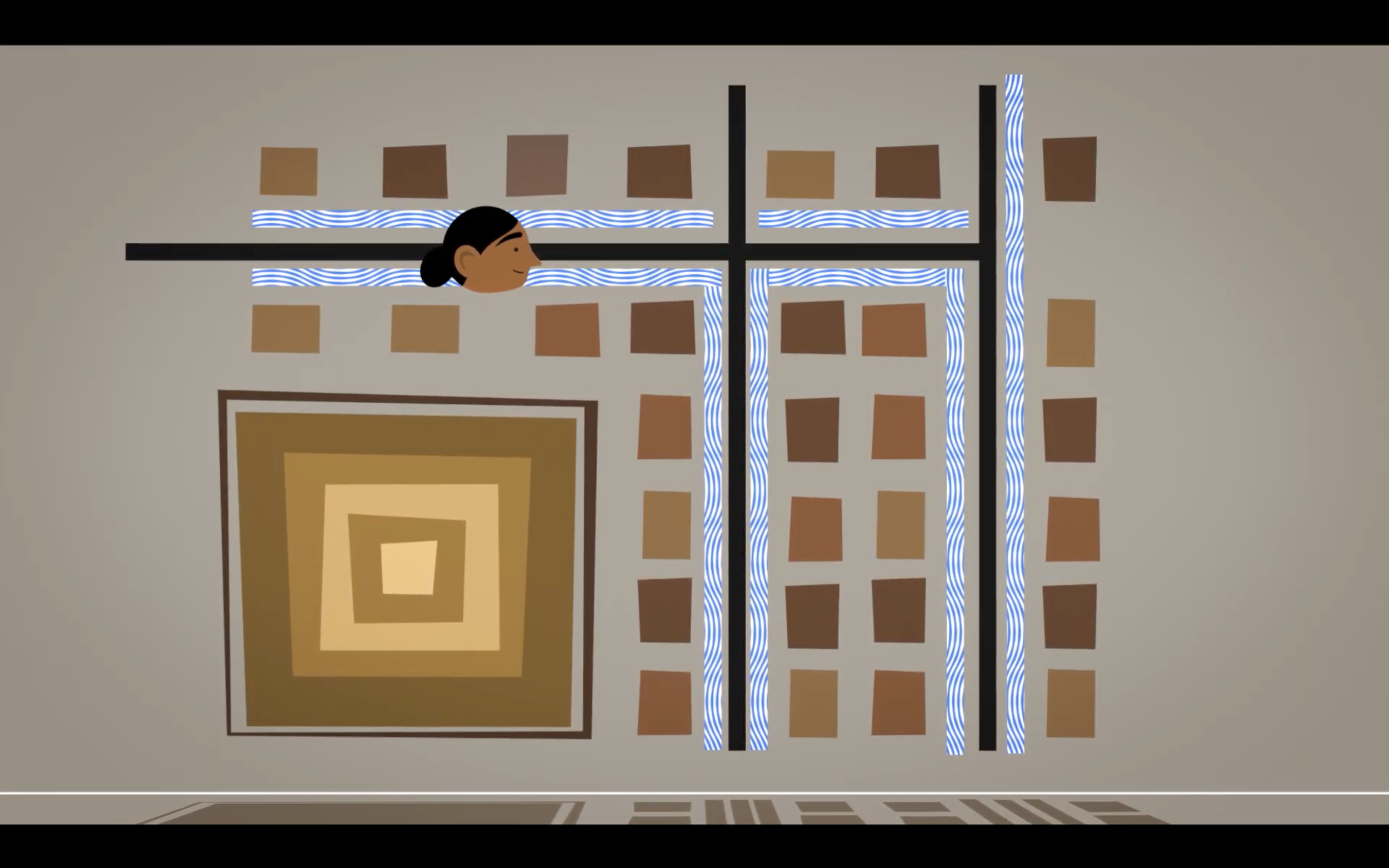
Each film follows a different guide from the period, through a "living museum" - built from real objects and artefacts: a female Arabic scholar traces the growth of the Islamic caliphates and the trade routes that carried goods and ideas to Baghdad; a Benin craftsman charts his kingdom's rise through trade and guilds and its eventual fall to British invasion in 1897; a young Sumerian boy explores the world's first cities and writing systems; a Harappan girl uncovers the ordered streets and drainage of the Indus Valley; and an Athenian woman compares the democracy of Athens with the militarism of Sparta.
Moving between characters and civilisations gives pupils a consistent way into unfamiliar periods, without ever needing to have watched another film in the series first. This walk through history keeps the content moving and allows students to focus on the history rather than adapting to new constructs each episode.
Bringing history to life
Working closely with the BBC and an education consultant throughout, every film was built around five key beats, each tied directly to a National Curriculum learning objective and anchored in a real artefact or piece of evidence.
We gave each civilisation its own distinct colour palette, textures and visual world, so pupils can move between periods and instantly recognise where — and when — they are.